
Partial restumping typically runs $3,000–$8,000 in Sydney. Full restumping of a standard bungalow is $15,000–$25,000. Here's what drives the difference, what the job actually involves, and when you should stop waiting.
What restumping costs in Sydney
Partial restumping — replacing a section of failed stumps — typically runs between $3,000 and $8,000 in Sydney, depending on the number of stumps, access conditions, and materials.
Full restumping — removing and replacing every stump under the house — is more involved. For an average inner west or north shore bungalow, expect $15,000 to $25,000. Larger properties, difficult access, or extensive bearer and joist replacement alongside the stumping work can push that higher.
These are realistic estimates based on what the work actually requires. They are not quotes. Restumping price varies significantly based on factors that can only be assessed on-site — stump count, access height, condition of the bearer and joist structure above, and whether the floor levelling scope is straightforward or complex.
What affects the price
Stump count. The most direct driver. A typical post-war bungalow might sit on 30–60 stumps. A larger federation home could have more. Each stump involves temporary support, extraction, and installation of the replacement — so more stumps is more time and more material.
Subfloor access. A house with 600mm of clearance under the bearers is a different job from one with 300mm. Tight access slows every step of the work and limits equipment. Some older homes have external access only through a hatch, which adds time. Brick pier foundations add further complexity over straight timber or concrete stumps.
Materials. Concrete stumps are the standard modern replacement — dimensionally stable, rot-proof, and maintenance-free. Steel stumps are used where concrete isn't appropriate for the load configuration or space. Either option is more expensive than the original timber stumps, but original timber stumps in 2026 are not a long-term solution.
Floor levelling scope. Replacing the stumps is the structural component. Getting the floor back to level — careful packing and adjustment at each stump as the work progresses — is a separate skill. If a house has been living with a significant slope for years, the re-levelling scope increases. Some long-term floor movement in the structure above can't be fully reversed.
Partial vs full restumping: which is right
If only a section of the house is noticeably sloping, or if a proper inspection identifies isolated failures with sound timber elsewhere, partial restumping is appropriate. You replace what has failed and monitor the rest.
If the inspection reveals widespread failure — or if the stumps are original timber that has reached or passed the end of its service life — full restumping is the correct call. Doing a quarter of the stumps today and the remaining three-quarters in five years is not more economical than doing the full job once. Mobilisation costs, access work, and temporary support are largely fixed regardless of stump count.
Sydney's federation cottages, interwar bungalows, and post-war homes were built on hardwood stumps that were typically good for 50–80 years. Most of them are in or past that range. If you're buying or renovating one of these homes, the subfloor condition is worth assessing as part of the project.
What's included in a correct scope
Correct restumping is not just pulling old stumps and driving new ones. It follows a sequence.
Temporary support of the floor structure is installed before any stump is touched. Full-height support — not a jack under a bearer and a hope — goes in first. The support stays in place until each new stump is set and packed to height.
Bearer and joist condition should be assessed during the job. Old timber subfloors often have rot, white ant damage, or structural failure in the bearers and joists above the stumps. If the bearers need replacement, that's additional scope — but it's better identified during the restumping job than after everything is packed back to height.
After stumping, the floor requires re-levelling and re-packing. The carpentry component — subfloor sheeting reinstatement, access hatches, ventilation — completes the scope. These are often treated as separate line items but should be budgeted as part of the full job. A correctly reinstated subfloor should not squeak — the causes of subfloor squeaking and why they're preventable are worth understanding if that's what prompted the investigation.
Signs you need it now rather than later
The marble test is the most reliable indicator most people know about. Drop a marble on the floor. If it rolls consistently toward one corner of the room, the floor has moved beyond normal tolerance.
Sticking internal doors — especially doors that were fine for years and now won't close without effort — often indicate frame movement driven by differential stump settlement.
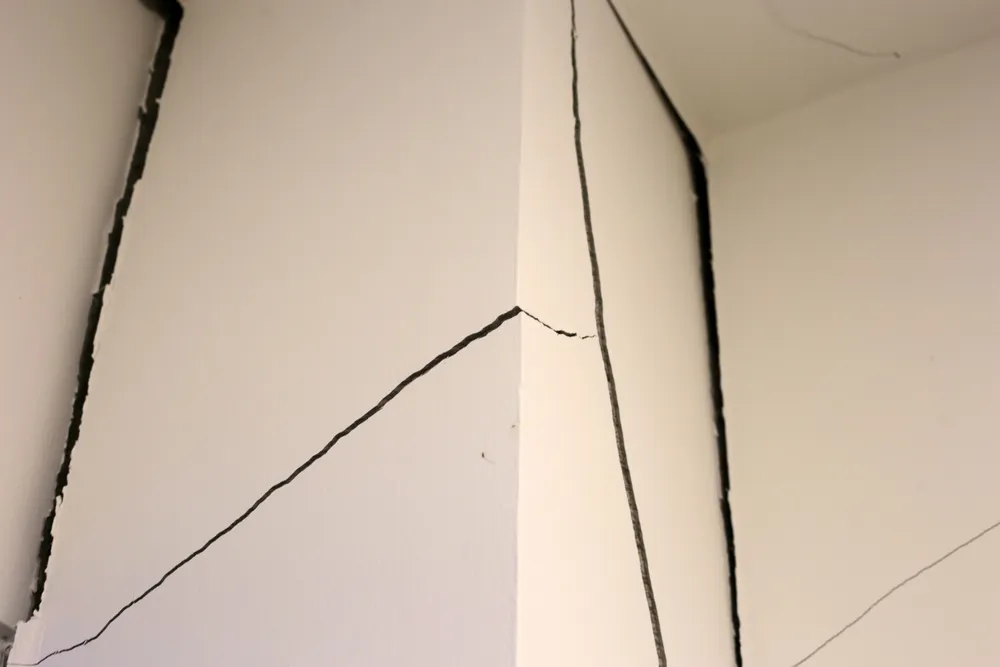
Diagonal plaster cracks running from the corners of windows and doors suggest the frame is racking. The wall above is following the floor.
Don't wait until the slope is hard to ignore. By the time a floor is noticeably tilted, the structural movement has usually been underway for years. Earlier intervention means less damage to the structure above, fewer secondary repairs, and lower overall cost.
Frequently Asked Questions
How long does a restumping job take?
Partial restumping (5–15 stumps) typically takes 2–4 days. Full restumping of a standard Sydney bungalow takes 5–10 days, depending on access and the extent of bearer and joist work required alongside the stumping.
Can I stay in the house during restumping?
Usually yes, though it's not comfortable. Temporary propping means certain areas of the house are restricted during the work, and there will be dust and noise throughout. Most homeowners choose to be elsewhere during the main working days.
What's the difference between a timber stump and a concrete stump?
Original timber stumps — typically hardwood — were standard in residential construction until the mid-20th century. They last 50–80 years depending on conditions. Concrete stumps are the modern replacement: dimensionally stable, rot-proof, and not susceptible to white ants. Steel stumps are used in some configurations. Neither concrete nor steel requires the ongoing inspection that timber stumps do.
Do I need council approval to restump my house in NSW?
In most cases, restumping is maintenance work that doesn't require development approval. However, some heritage-listed or heritage-affected properties in Sydney have restrictions that apply to subfloor work. Check with your local council before starting, particularly for homes in heritage conservation areas.
Will restumping fix my sloping floors completely?
Usually significantly, sometimes completely. It depends on how long the floor has been sloping and whether the timber frame above has taken a permanent set. Noticeably sloping floors can almost always be brought back to near-level. Some long-term structural movement above the stumps can't be fully reversed, particularly in older homes with significant original deflection.
Sources & Further Reading